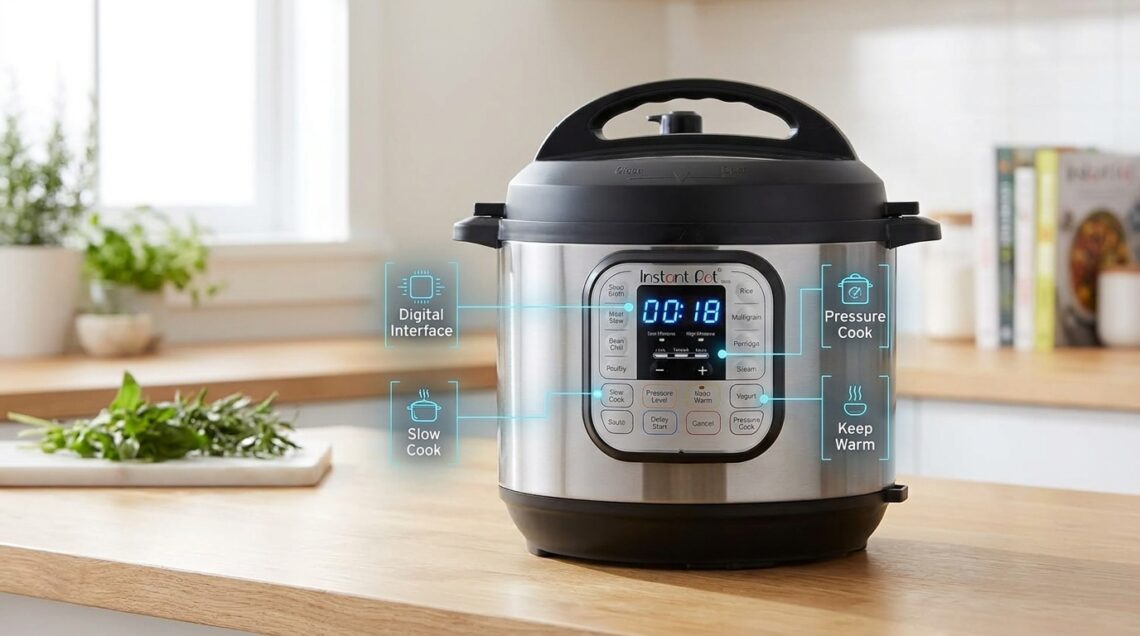
Kitchen appliances have gone through a quiet revolution over the past decade, and few products symbolize that shift as clearly as the multi-function electric pressure cooker. Among the many options available, the Instant Pot Duo 7-in-1 Electric Pressure Cooker has become a familiar name in households looking to simplify meal preparation without sacrificing variety. This article takes a closer look at what this appliance offers, how it fits into different cooking styles, and what people should think about before deciding whether it belongs in their kitchen.
Rather than framing this as a promotional piece, the goal here is to walk through the practical realities of owning and using a multi-cooker like this one — from its functional design to the kinds of meals it can help produce, and the considerations that go along with introducing a new appliance into your routine.
What Is the Instant Pot Duo 7-in-1?
At its core, the Instant Pot Duo is an electric multi-cooker built around a stainless steel inner pot and a 6-quart capacity, designed to consolidate several separate kitchen tools into a single countertop unit. Instead of owning a standalone pressure cooker, a separate slow cooker, a rice cooker, a steamer basket setup, a yogurt incubator, and a warming tray, the idea is that one appliance can reasonably replace all of them.
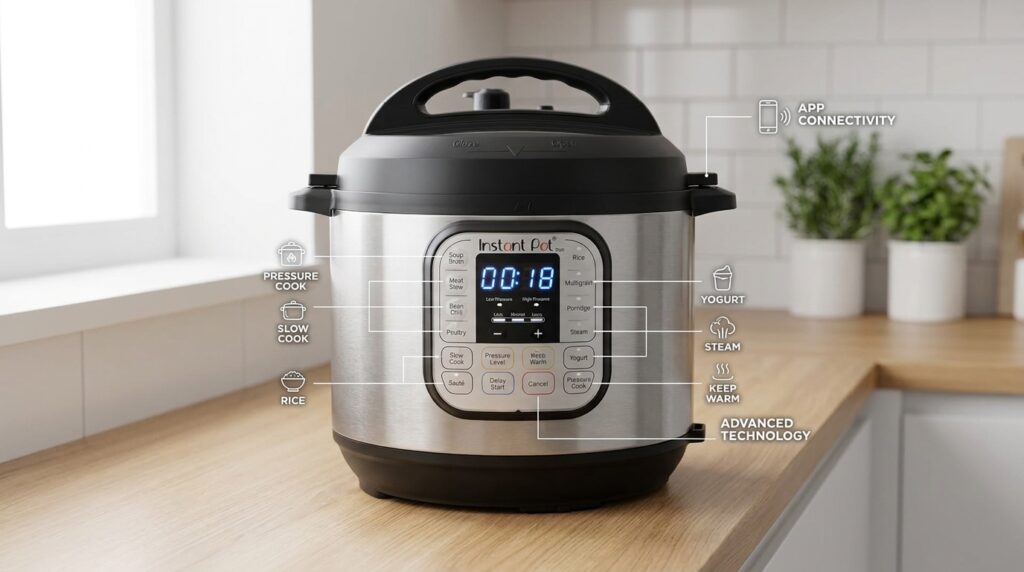
The “7-in-1” branding refers to its combined functions: pressure cooking, slow cooking, rice cooking, steaming, sautéing, yogurt making, and warming, with an additional sterilizing function often included as well. This combination is intended to appeal to people who want flexibility in a single footprint rather than dedicating cabinet space to multiple single-purpose devices.
The unit also connects to a companion app that provides access to a large recipe library, which can be a helpful resource for people who are new to pressure cooking or who want structured guidance rather than guessing at cook times and liquid ratios.
Key Features Worth Understanding
Multiple Cooking Functions in One Device
The defining feature of this appliance is its versatility. Rather than being limited to just pressure cooking, the Duo can shift between several cooking methods depending on what a recipe calls for. This means a single pot could theoretically be used to sauté aromatics, pressure cook a stew, and then switch to a warming setting to hold the dish until serving — all without transferring food between different appliances.
Stainless Steel Inner Pot
The inner cooking pot is made from stainless steel, which is generally valued for its durability and resistance to scratching compared to non-stick coated alternatives. Stainless steel also tends to handle browning and searing tasks more effectively, which matters for recipes that call for building flavor through a sauté step before pressure cooking begins.
Programmable Settings
Many multi-cookers in this category, including this one, come with built-in programs for specific food types such as rice, beans, soup, poultry, or multigrain dishes. These presets are designed to take some of the guesswork out of cooking by automatically adjusting pressure levels and cook times based on the selected setting.
Safety Mechanisms
Modern pressure cookers, including this model, typically include multiple safety features such as lid-locking mechanisms that prevent the unit from being opened while under pressure, as well as pressure-release valves and overheat protection. These design elements are worth understanding before use, since pressure cooking does involve different safety considerations compared to conventional stovetop cooking.
Companion App With Recipe Access
The inclusion of an app with several hundred recipes is intended to help users get more value out of the appliance beyond basic operation. For someone unfamiliar with pressure cooking terminology or techniques, having a structured recipe database can reduce the learning curve considerably.
Six-Quart Capacity
The 6-quart size is often considered a middle-ground capacity — large enough to prepare meals for a small to medium-sized household, while still being manageable in terms of counter space and storage.
How It Can Be Used in Everyday Cooking
One of the more practical ways to think about this type of appliance is not as a single-purpose tool, but as a flexible cooking method that adapts to different meal types throughout the week.
Weeknight meals: Pressure cooking is often associated with reducing cook times for foods that traditionally take longer, such as dried beans, tougher cuts of meat, or grains like brown rice. This can be useful for people trying to prepare meals more quickly after a long day without relying on ultra-processed convenience foods.
Batch cooking and meal prep: Because the inner pot holds a reasonable volume, some people use multi-cookers like this to prepare larger batches of soups, stews, or grains at once, then portion them out for the week.
Slow cooking alternative: For those who enjoy slow-cooked meals but don’t want to dedicate space to a separate slow cooker, the slow cook function can serve a similar purpose, allowing ingredients to simmer over several hours.
Steaming vegetables or dumplings: With the appropriate steaming accessory, the unit can also be used for steaming vegetables, seafood, or other foods that benefit from gentle, moist heat.
Homemade yogurt: The yogurt function is a less commonly used but interesting feature, allowing users to incubate milk at a consistent temperature to produce homemade yogurt, which some people prefer over store-bought versions for cost or ingredient control.
Rice and grains: The rice function is designed to simplify one of the more finicky cooking tasks — getting rice texture right — by using preset timing and pressure levels.
Who This Type of Appliance May Be Suitable For
Multi-cookers like the Instant Pot Duo tend to appeal to a fairly broad range of people, though it’s worth thinking through whether it aligns with your specific cooking habits.
People with limited time for meal preparation may find value in the reduced cooking times that pressure cooking often provides, particularly for foods that would otherwise require long simmering or slow-roasting.
Households with limited kitchen space might appreciate consolidating multiple appliances into one unit, especially in smaller apartments or kitchens where counter and storage space is at a premium.
Beginner cooks who want structured guidance may benefit from the companion app and preset programs, which can reduce some of the uncertainty involved in trying new cooking methods.
People interested in batch cooking or meal prepping may find the capacity and functions well suited to preparing larger quantities of food in fewer cooking sessions.
Those exploring healthier home cooking might use the appliance to prepare beans, grains, and vegetables more easily than traditional stovetop methods allow, which can support a shift away from packaged or takeout meals.
That said, this type of appliance may be less appealing to people who already have a full set of specialized kitchen tools they’re satisfied with, or those who prefer traditional stovetop and oven cooking methods for control and familiarity.
Important Things to Consider Before Purchasing
While multi-cookers offer convenience, there are several practical factors worth thinking through before adding one to your kitchen.
Learning Curve
Pressure cooking operates differently from conventional cooking methods. Understanding concepts like natural pressure release versus quick release, appropriate liquid ratios, and cook time adjustments for different ingredients can take some initial learning. The included app and recipe resources may help, but there’s still a period of familiarization for most new users.
Counter and Storage Space
Although the appliance is designed to replace multiple single-function devices, it still requires its own storage space when not in use, along with clearance on a countertop during operation. It’s worth measuring your available kitchen space before purchasing.
Maintenance and Cleaning
Multi-cookers have several components, including the sealing ring, steam release valve, and lid mechanism, all of which need periodic cleaning to function properly and to avoid lingering odors from previous meals. Understanding the recommended cleaning routine is an important part of long-term use.
Capacity Suitability
The 6-quart size may be appropriate for smaller households but could feel limiting for larger families or those who frequently cook in bulk. It’s worth considering your typical serving sizes when evaluating whether this capacity aligns with your needs.
Adjusting to Electric Pressure Cooking
For those transitioning from stovetop pressure cookers, electric models generally operate at different pressure levels and cooking dynamics, meaning that direct recipe conversions aren’t always exact. Many long-time stovetop pressure cooker users note there’s an adjustment period when switching to electric versions.
Comparing General Categories of Kitchen Cooking Appliances
Rather than comparing specific competing products, it can be helpful to understand how multi-cookers generally relate to other categories of kitchen appliances.
Multi-cookers versus single-function appliances: Traditional single-function appliances, such as a dedicated rice cooker or slow cooker, are often designed with a narrower focus, which can sometimes mean more consistent results for that specific task. Multi-cookers aim for broader versatility, which can be a trade-off between convenience and specialization.
Multi-cookers versus stovetop pressure cookers: Stovetop pressure cookers typically require more hands-on monitoring and tend to reach higher pressure levels, which can result in slightly faster cook times for some foods. Electric multi-cookers generally prioritize convenience and programmability over raw speed.
Multi-cookers versus traditional cooking methods: Conventional stovetop and oven cooking offer more direct control over the cooking process, which some cooks prefer for precision, especially with dishes that require close attention to texture and doneness. Multi-cookers, by contrast, are generally designed around convenience and reduced hands-on time.
Each approach has its own strengths, and the right choice often depends on individual cooking habits, available kitchen space, and how much hands-on involvement someone prefers during meal preparation.
Frequently Asked Questions
Is pressure cooking safe for everyday home use? Modern electric pressure cookers are generally designed with multiple layers of safety mechanisms, including lid locks and pressure-release systems. As with any kitchen appliance, following the manufacturer’s instructions is important for safe operation.
Do I need special accessories to use all seven functions? Some functions, such as steaming, may require additional accessories like a steamer basket or trivet, which may or may not be included depending on the specific package. It’s worth reviewing what’s included before assuming all functions are immediately usable out of the box.
Can this replace a slow cooker entirely? For many users, the slow cook function can serve as a reasonable substitute for a dedicated slow cooker, though some note subtle differences in heat distribution compared to traditional slow cookers.
Is the recipe app free to use? Companion apps for kitchen appliances often provide free access to a base recipe library, though it’s advisable to check current app details, since features and offerings can change over time.
How difficult is it to clean? Cleaning generally involves washing the removable inner pot, sealing ring, and lid components. Most parts are designed to be relatively straightforward to clean, though the sealing ring in particular may need regular attention to prevent odor retention.
Is this appliance suitable for cooking frozen meat? Many electric pressure cookers, including multi-function models like this one, are often used for cooking from frozen, since pressure cooking can help reduce the need for advance thawing. However, cooking times will generally need to be adjusted accordingly.
Final Thoughts
The Instant Pot Duo 7-in-1 Electric Pressure Cooker represents a practical example of how kitchen technology has evolved toward consolidation and convenience. By combining several cooking functions into a single stainless steel unit, it offers an approach to meal preparation that can appeal to busy households, small kitchens, and those looking to simplify their cooking routine without giving up variety.
As with any kitchen appliance, it’s worth weighing your specific needs — including available space, typical serving sizes, and how comfortable you are learning a new cooking method — before deciding if this type of multi-cooker fits your lifestyle. For those who value versatility and are willing to invest a little time in learning the basics of pressure cooking, this type of appliance can become a useful addition to a home kitchen.

