Kitchen appliances have gone through a quiet revolution over the past decade, and few products symbolize that shift as clearly as the multi-functional electric pressure cooker. Among the many options on the market, the Instant Pot Pro (8 QT) has become a familiar name in households looking to consolidate several cooking appliances into one countertop device. This article takes a closer look at what this particular model offers, how it fits into different kitchen routines, and what factors are worth thinking about before deciding whether it belongs in your home.
This is not a sales pitch. Instead, think of this as an informational guide meant to help you understand the product’s capabilities, its potential use cases, and the kinds of households that tend to get the most value from it.
What Is the Instant Pot Pro (8 QT)?
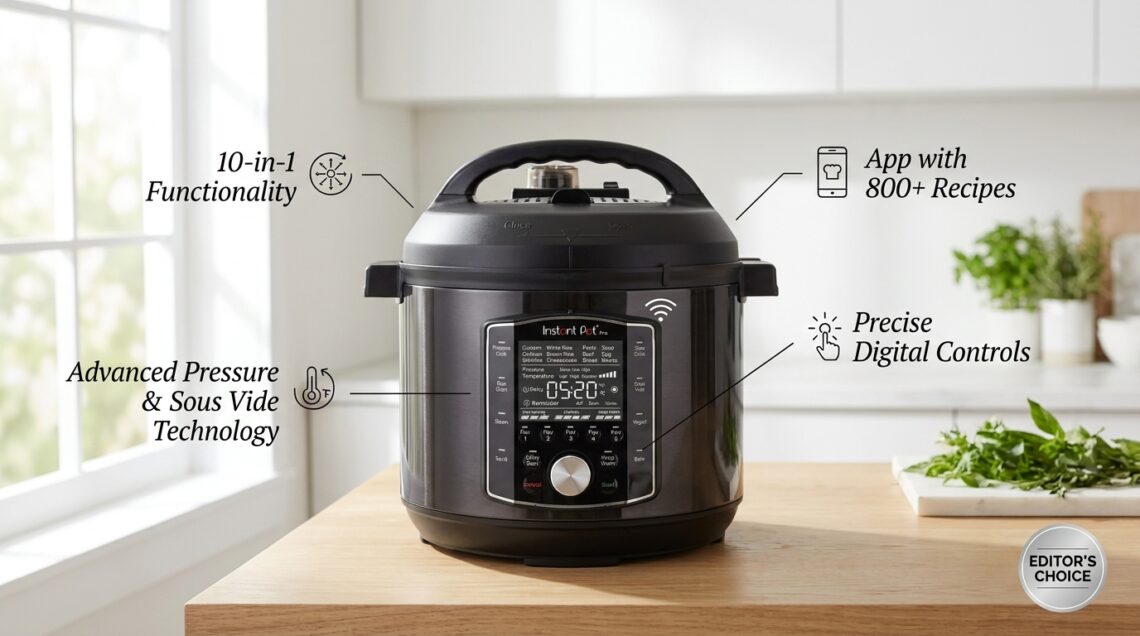
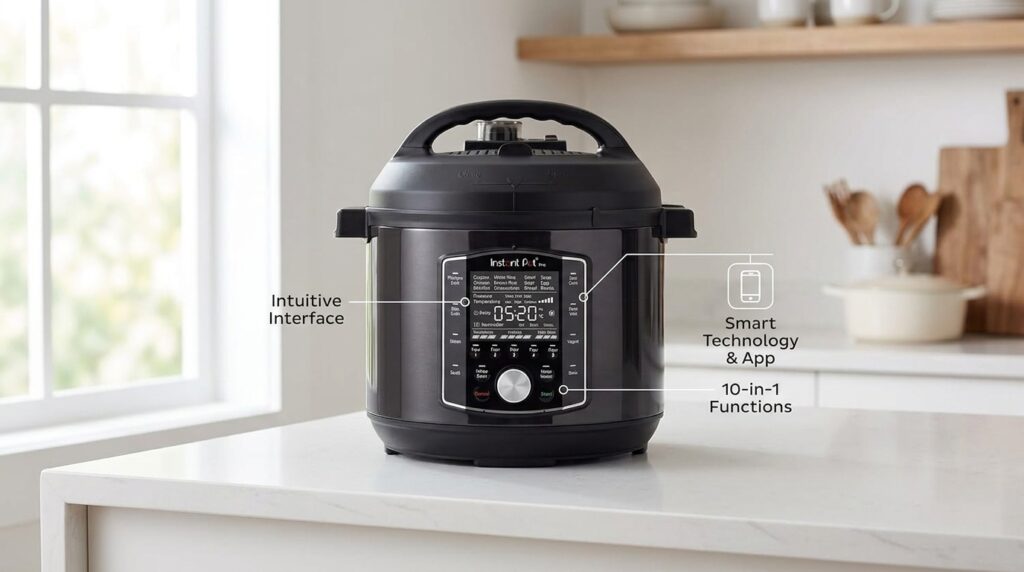
The Instant Pot Pro is part of a broader category of multi-cookers designed to replace several single-purpose kitchen appliances with one unit. The 8-quart version specifically targets larger households, meal preppers, or anyone who regularly cooks in bigger batches. As the name suggests, it combines ten distinct cooking functions into a single pot: pressure cooking, slow cooking, rice and grain cooking, steaming, sautéing, sous vide, yogurt making, sterilizing, warming, and more, depending on how you count overlapping modes.
It also connects to a companion app that reportedly offers access to more than 800 guided recipes, which can be useful for people who want structured guidance rather than guesswork when trying out new cooking methods.
Key Features Worth Knowing About
Multiple Cooking Functions in One Appliance
The defining feature of this product is versatility. Rather than owning a separate pressure cooker, slow cooker, rice cooker, steamer, and yogurt maker, users can rely on a single device that switches between these functions through a control panel. This can be particularly appealing for people with limited kitchen counter or cabinet space.
8-Quart Capacity
The 8-quart size positions this model toward larger families, batch cooking, or those who like preparing meals in advance for the week. Smaller households might find a 6-quart version more appropriate, so capacity is worth considering carefully based on your typical cooking volume.
Sous Vide Function
Sous vide cooking, traditionally requiring a separate immersion circulator, is included as one of the modes. This allows for precise temperature-controlled cooking, often used for proteins like steak, chicken, or fish, where consistency and doneness control matter.
Sterilizing and Warming Modes
Beyond traditional cooking, the appliance includes a sterilizing function, which some users may find useful for sanitizing baby bottles, jars, or utensils. The warming function helps keep prepared food at a stable temperature for later serving.
Companion Mobile App
The Instant Pot app reportedly provides access to a large recipe library, allowing users to send cooking programs directly to compatible devices in some cases, or simply follow along with instructions on their phone. This can help newer users feel more confident experimenting with less familiar cooking methods like sous vide or yogurt fermentation.
Digital Display and Control Panel
Multi-cookers in this category typically include a digital interface with pre-programmed settings for different food types, along with manual controls for adjusting time, pressure, and temperature. This allows for both convenience-driven and more hands-on cooking approaches.
How It Can Be Used in Everyday Cooking
One of the more practical ways to think about a multi-cooker like this is not as a single appliance, but as a flexible cooking system that adapts to different needs throughout the week.
Weeknight Meals: Pressure cooking can significantly reduce cooking time for dishes that would otherwise take hours, such as stews, beans, or tougher cuts of meat. This can be helpful for people balancing busy schedules who still want home-cooked meals.
Batch Cooking and Meal Prep: The larger 8-quart capacity lends itself well to preparing meals in advance, whether that means a big pot of chili, a large batch of grains, or soups meant to be portioned out for the week.
Slow-Cooked Dishes: For those who prefer the traditional low-and-slow approach, the slow cooker function offers an alternative to pressure cooking, useful for recipes where longer cook times develop deeper flavor.
Grains and Rice: The rice and grain setting can simplify the process of cooking rice, quinoa, or similar staples without needing to monitor water levels or timing manually.
Steaming Vegetables or Seafood: The steaming function offers a healthier cooking method for vegetables, dumplings, or fish, often preserving more nutrients compared to boiling.
Homemade Yogurt: The yogurt setting allows users to ferment milk into yogurt at home, which some people prefer for cost savings or ingredient control compared to store-bought options.
Sous Vide Cooking: For those interested in more precise cooking techniques, the sous vide function can be used for proteins or even certain vegetables, offering consistent results through temperature regulation.
Sanitizing Kitchen Items: The sterilizing function may be used for cleaning reusable containers, baby feeding equipment, or canning jars.
Who It May Be Suitable For
Not every kitchen tool fits every lifestyle, so it’s worth thinking about who tends to benefit most from a multi-cooker like this one.
Larger Households: Families or shared living situations where meals are cooked in bigger quantities may find the 8-quart size more practical than smaller models.
Meal Preppers: Individuals who prepare food in advance for the week often appreciate the combination of speed (via pressure cooking) and volume (via the larger capacity).
People New to Multi-Cooking: The companion app and guided recipes can make the learning curve less intimidating for those unfamiliar with pressure cooking or sous vide techniques.
Home Cooks Looking to Simplify Their Kitchen: For people trying to reduce the number of appliances they own, consolidating multiple functions into one device can help save storage space.
Those Interested in Homemade Staples: People who want to make their own yogurt, stocks, or grains from scratch may find the dedicated settings helpful for consistency.
On the other hand, individuals living alone, those with very limited counter or storage space, or people who primarily cook single-serving meals might find a smaller-capacity model more appropriate for their needs.
Important Things to Consider Before Choosing This Appliance
While multi-cookers offer a lot of convenience, there are a few practical factors worth thinking through.
Learning Curve: Even with app support, pressure cooking and sous vide can involve a learning period, especially for those used to conventional stovetop or oven cooking. Understanding pressure release methods, liquid ratios, and cook times takes some initial practice.
Storage Footprint: Despite replacing multiple appliances, an 8-quart multi-cooker is still a fairly large unit. Kitchens with limited storage space should measure available cabinet or counter room beforehand.
Maintenance: Like most cooking appliances with removable parts, components such as the sealing ring, inner pot, and lid require regular cleaning to maintain performance and avoid lingering odors from previous meals.
Not a Complete Replacement for All Appliances: While the device covers many functions, some people may still prefer specialized appliances for certain tasks, such as a dedicated rice cooker for very specific rice varieties, or a traditional oven for baking.
App Dependency for Full Features: Some of the added conveniences, like guided recipes or app-based programming, may require a stable smartphone connection and account setup, which not everyone finds necessary or convenient.
Capacity Considerations: The 8-quart size, while useful for larger meals, may be excessive for smaller households, potentially leading to underuse of the appliance’s full capacity.
Comparing General Categories of Kitchen Appliances
Rather than comparing specific competing products, it can be more useful to understand how different categories of kitchen appliances generally differ, so you can judge where a multi-cooker like this fits into your existing setup.
Single-Function Pressure Cookers: These are often simpler to use and may have a shorter learning curve, but they lack the versatility of a multi-cooker, since they typically serve one primary purpose.
Traditional Slow Cookers: Dedicated slow cookers are generally straightforward and reliable for long, low-temperature cooking, but they don’t offer the speed advantages of pressure cooking or the added functions like sous vide or yogurt making.
Standalone Rice Cookers: These are often optimized specifically for rice and may offer more nuanced settings for different rice types, but they don’t extend to other cooking methods.
Multi-Function Cookers (like the Instant Pot Pro): These aim to balance convenience and versatility, consolidating several appliances into one. The tradeoff is that a multi-function device may not always match the specialized performance of single-purpose appliances in every category, though it can offer meaningful space and cost efficiency for many users.
Sous Vide Immersion Circulators: Dedicated sous vide devices often allow more precise temperature control and are typically paired with a separate pot or container. Having sous vide built into a multi-cooker can be more convenient for casual users, though serious sous vide enthusiasts may still prefer standalone circulators.
Ultimately, the right choice often depends on how frequently you plan to use each function and whether consolidation is more valuable to you than specialization.
Frequently Asked Questions
Does the Instant Pot Pro require the app to function? No, the appliance can typically be operated directly through its control panel without needing the app. The app is generally offered as an additional resource for recipes and guided cooking, not a requirement for basic use.
Is the 8-quart size necessary for a small household? Not necessarily. Smaller households or individuals who cook in smaller portions may find a 6-quart model more practical, both in terms of storage and ingredient quantities needed to properly utilize the pot.
Can this appliance replace an oven? Not entirely. While it covers many stovetop and slow-cooking functions, it does not replicate oven baking or broiling in the traditional sense.
Is sous vide cooking difficult for beginners? There is a learning curve, but many users find that starting with simple recipes, such as basic proteins, helps build familiarity with temperature and timing before moving on to more complex dishes.
How difficult is it to clean? Most components, including the inner pot and sealing ring, are generally removable for cleaning. Some parts may be dishwasher-safe, though checking specific care instructions is recommended to maintain the appliance’s condition over time.
Does pressure cooking affect the nutritional value of food? Pressure cooking is often considered comparable to or better than some traditional cooking methods in terms of nutrient retention, primarily because of shorter cooking times and reduced water usage in certain recipes, though this can vary depending on the specific food being prepared.
Is prior cooking experience necessary to use this appliance effectively? Not necessarily. Many multi-cookers, including this one, are designed with beginner-friendly presets and guided app content to help new users become comfortable with different cooking functions over time.
Final Thoughts
The Instant Pot Pro (8 QT) represents a fairly comprehensive approach to modern kitchen appliances, aiming to reduce the number of individual devices needed for everyday cooking tasks. Its combination of pressure cooking, slow cooking, steaming, sous vide, and other functions may appeal to those who value efficiency, larger batch cooking, or simply want to explore new cooking techniques without investing in several separate appliances.
At the same time, it’s worth considering your household size, available kitchen space, and how often you’re likely to use each function before deciding if this particular model aligns with your needs. Like most kitchen tools, its usefulness ultimately depends on how well it fits into your specific cooking habits and lifestyle.